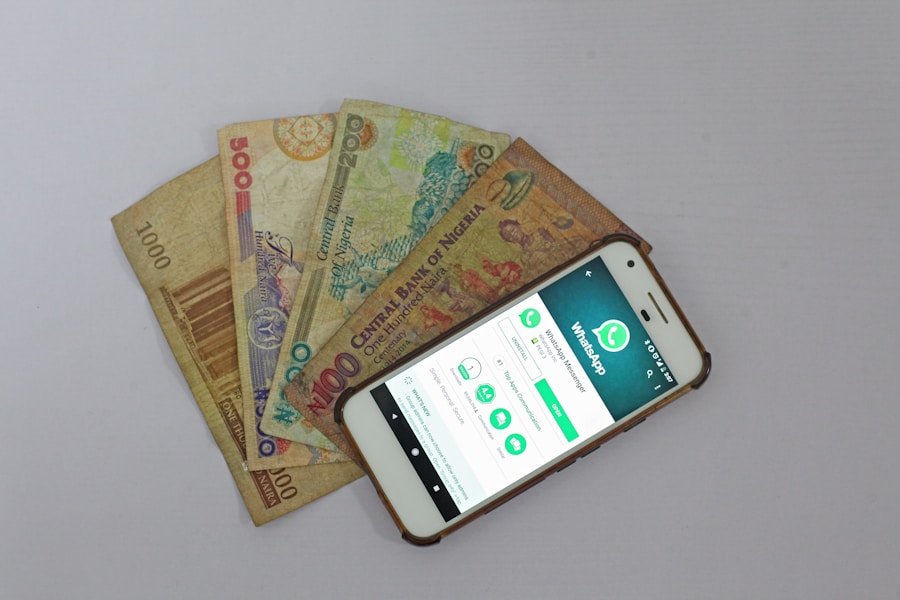

Cross-border payment solutions refer to the transfer of money or funds from one country to another. This process is essential for businesses and individuals who engage in international trade, travel, or remittances. In the past, cross-border payments were often slow, expensive, and prone to errors. However, with the advent of financial technology (fintech), the landscape of cross-border payments has significantly evolved. Fintech has revolutionized the way money is transferred across borders, making the process faster, more secure, and cost-effective. This article will explore the evolution of fintech in the financial industry, the advantages and challenges of fintech in cross-border payments, innovations in fintech for cross-border payments, and the future of cross-border payment solutions.
The Evolution of Fintech in the Financial Industry
The financial industry has undergone a significant transformation with the emergence of fintech. Fintech refers to the use of technology to improve and automate financial services and processes. In the past, traditional banks and financial institutions dominated the financial industry, and cross-border payments were primarily conducted through these institutions. However, fintech has disrupted this traditional model by introducing innovative payment solutions that are more efficient and cost-effective. Fintech companies have developed digital platforms and mobile applications that allow users to transfer money across borders with ease. These platforms leverage blockchain technology, artificial intelligence, and data analytics to streamline the cross-border payment process. As a result, fintech has democratized access to cross-border payment solutions, allowing businesses and individuals to conduct international transactions without the need for a traditional bank account.
Fintech has also facilitated the integration of digital wallets and payment gateways into cross-border payment solutions. Digital wallets enable users to store multiple currencies and make international payments seamlessly. Payment gateways provide a secure infrastructure for processing online transactions, making it easier for businesses to accept payments from customers in different countries. Additionally, fintech has enabled the development of peer-to-peer (P2P) payment platforms that allow individuals to transfer money directly to one another across borders. These advancements in fintech have not only improved the speed and efficiency of cross-border payments but have also reduced the costs associated with international transactions.
Advantages of Fintech in Cross-Border Payments
The adoption of fintech in cross-border payments offers several advantages for businesses and individuals. Firstly, fintech has significantly reduced the time it takes to process cross-border transactions. Traditional methods of transferring money internationally could take several days or even weeks to complete. However, with fintech solutions, cross-border payments can be processed in a matter of minutes or hours. This speed is particularly beneficial for businesses that rely on timely payments to maintain cash flow and meet financial obligations.
Secondly, fintech has lowered the costs associated with cross-border payments. Traditional banks and financial institutions often charge high fees for international transfers, including currency conversion fees and transaction fees. Fintech companies have disrupted this model by offering competitive exchange rates and lower transaction fees for cross-border payments. As a result, businesses and individuals can save money on international transactions, making it more affordable to conduct business or send money abroad.
Furthermore, fintech has improved the transparency and security of cross-border payments. Blockchain technology, which underpins many fintech payment solutions, provides a tamper-proof and decentralized ledger that records all transactions. This transparency reduces the risk of fraud and ensures that funds are transferred securely across borders. Additionally, fintech companies have implemented robust security measures, such as encryption and multi-factor authentication, to protect sensitive financial information during cross-border transactions.
Challenges and Risks in Cross-Border Payment Solutions
Despite the numerous advantages of fintech in cross-border payments, there are also challenges and risks associated with these solutions. One of the primary challenges is regulatory compliance. Cross-border payments are subject to various regulations and compliance requirements in different countries. Fintech companies must navigate these complex regulatory landscapes to ensure that their payment solutions adhere to local laws and standards. Failure to comply with regulations can result in fines, legal repercussions, and reputational damage for fintech companies.
Another challenge is the potential for cyber threats and security breaches in cross-border payment solutions. As fintech platforms process a large volume of international transactions, they become attractive targets for cybercriminals seeking to steal sensitive financial information or disrupt payment processes. Fintech companies must invest in robust cybersecurity measures to protect their platforms from unauthorized access, data breaches, and other cyber threats.
Additionally, the volatility of foreign exchange rates poses a risk for cross-border payments. Fluctuations in currency values can impact the cost of international transactions and affect the amount of money received by the recipient. Fintech companies must develop strategies to mitigate currency risk and provide users with transparent information about exchange rates and potential fluctuations.
Innovations in Fintech for Cross-Border Payments
Fintech companies are continuously innovating to address the challenges and risks associated with cross-border payments. One notable innovation is the use of blockchain technology to facilitate cross-border transactions. Blockchain provides a decentralized and secure platform for recording and verifying international payments, reducing the risk of fraud and improving transparency. Additionally, blockchain enables real-time settlement of cross-border transactions, eliminating the need for intermediaries and reducing processing times.
Another innovation in fintech for cross-border payments is the integration of application programming interfaces (APIs) into payment platforms. APIs allow different systems to communicate with each other, enabling seamless integration between fintech platforms and other financial services. This integration streamlines the cross-border payment process, allowing users to access multiple financial services within a single platform.
Furthermore, fintech companies are leveraging artificial intelligence (AI) and machine learning algorithms to enhance fraud detection and risk management in cross-border payments. AI-powered systems can analyze large volumes of transaction data in real-time to identify suspicious activities and prevent fraudulent transactions. These innovations improve the security and reliability of cross-border payment solutions, instilling trust among users and financial institutions.
The Future of Cross-Border Payment Solutions
The future of cross-border payment solutions is poised for further innovation and disruption as fintech continues to evolve. One trend that is likely to shape the future of cross-border payments is the adoption of central bank digital currencies (CBDCs). Several central banks around the world are exploring the development of digital currencies that could be used for cross-border transactions. CBDCs have the potential to streamline international payments, reduce costs, and improve financial inclusion for individuals who lack access to traditional banking services.
Another emerging trend is the convergence of fintech with other technologies such as Internet of Things (IoT) and 5G connectivity. These technologies enable seamless connectivity between devices and systems, creating new opportunities for cross-border payments. For example, IoT devices could be used to facilitate automated international transactions for supply chain management or global trade.
Furthermore, the rise of open banking initiatives is expected to drive innovation in cross-border payment solutions. Open banking allows third-party developers to access bank data through APIs, enabling the creation of new financial products and services. This open ecosystem fosters collaboration between fintech companies, banks, and other financial institutions, leading to more diverse and user-friendly cross-border payment solutions.
The Impact of Fintech on Global Financial Transactions
In conclusion, fintech has had a profound impact on global financial transactions, particularly in the realm of cross-border payments. The evolution of fintech in the financial industry has led to faster, more cost-effective, and secure cross-border payment solutions. While there are challenges and risks associated with fintech in cross-border payments, ongoing innovations in blockchain technology, API integration, AI-powered fraud detection, and other areas are addressing these concerns.
Looking ahead, the future of cross-border payment solutions is likely to be shaped by trends such as central bank digital currencies, IoT connectivity, 5G technology, and open banking initiatives. These developments have the potential to further streamline international transactions, reduce costs, and improve financial inclusion on a global scale. As fintech continues to revolutionize the financial industry, it is essential for businesses, individuals, and policymakers to stay abreast of these advancements and leverage them to enhance global financial transactions.