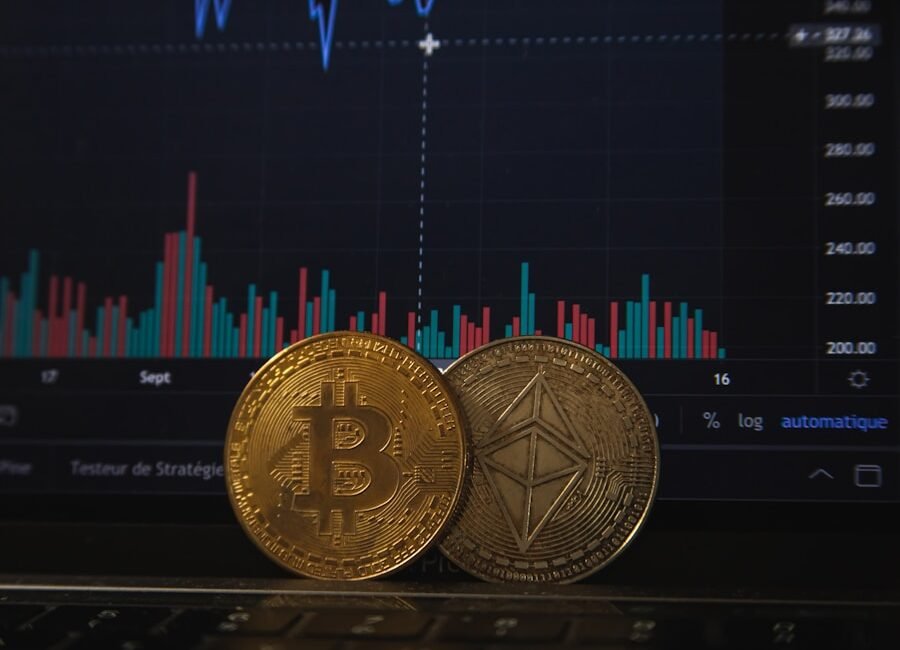

Smart contracts are self-executing contracts with the terms of the agreement between buyer and seller directly written into code. These contracts are stored on a blockchain, a decentralized and distributed digital ledger that records transactions across multiple computers. Smart contracts enable the automation of transactions and the elimination of intermediaries, making them faster, more secure, and less expensive than traditional contracts. Digital ownership refers to the concept of owning assets in a digital form, such as cryptocurrencies, digital art, or virtual real estate. With the rise of blockchain technology, digital ownership has become increasingly popular, as it allows for the secure and transparent transfer of assets without the need for a central authority.
Smart contracts and digital ownership have the potential to revolutionize the way we conduct business and manage assets. By leveraging blockchain technology, smart contracts can streamline processes, reduce costs, and increase transparency in transactions. Digital ownership allows for the transfer of assets in a secure and efficient manner, opening up new opportunities for investment and trade. As these technologies continue to evolve, it is important for individuals and businesses to understand their implications and potential impact on various industries.
The Role of Blockchain in Smart Property
Blockchain technology plays a crucial role in enabling smart property transactions. By providing a secure and transparent platform for recording and verifying transactions, blockchain ensures the integrity of smart contracts and digital ownership. The decentralized nature of blockchain also eliminates the need for intermediaries, reducing the risk of fraud and increasing the efficiency of property transactions. Additionally, blockchain allows for the creation of unique digital assets, such as non-fungible tokens (NFTs), which can represent ownership of real-world assets like real estate or artwork.
In the realm of smart property, blockchain technology has the potential to revolutionize the way we buy, sell, and manage assets. By leveraging blockchain, smart property transactions can be conducted with greater security and efficiency, reducing the need for costly intermediaries and paperwork. The use of NFTs also opens up new possibilities for fractional ownership and investment in real-world assets. As blockchain technology continues to advance, its role in smart property transactions will only become more significant.
Navigating Legal and Regulatory Challenges
As smart property transactions become more prevalent, legal and regulatory challenges arise. The use of smart contracts and digital ownership raises questions about the enforceability of these contracts and the protection of digital assets. Additionally, the decentralized nature of blockchain presents challenges for traditional legal frameworks, as it may be difficult to determine jurisdiction and enforce laws across multiple jurisdictions.
To navigate these challenges, it is crucial for lawmakers and regulators to develop clear guidelines for smart property transactions. This includes establishing standards for smart contracts, defining the legal status of digital assets, and addressing issues related to jurisdiction and enforcement. It is also important for individuals and businesses to seek legal counsel when engaging in smart property transactions to ensure compliance with existing laws and regulations.
Ensuring Security and Privacy in Smart Property Transactions
Security and privacy are paramount in smart property transactions, as they involve the transfer of valuable digital assets. Blockchain technology provides a high level of security through its decentralized and immutable nature, making it difficult for malicious actors to tamper with transaction records. Additionally, encryption techniques can be used to protect sensitive information in smart contracts and digital ownership.
To ensure security and privacy in smart property transactions, it is important for individuals and businesses to implement best practices for cybersecurity and data protection. This includes using secure communication channels, implementing multi-factor authentication, and regularly updating security protocols. It is also important to be mindful of privacy concerns when engaging in smart property transactions, as personal information may be stored on the blockchain. By prioritizing security and privacy, individuals and businesses can mitigate the risks associated with smart property transactions.
Smart Property and the Future of Ownership
The rise of smart property has the potential to redefine the concept of ownership in the digital age. With the ability to represent real-world assets as digital tokens on a blockchain, individuals can now own fractions of valuable assets that were previously inaccessible. This opens up new opportunities for investment and diversification, as individuals can now invest in real estate, art, or other high-value assets without needing to purchase the entire asset.
Smart property also has the potential to democratize ownership by allowing individuals to participate in asset ownership through tokenization. This can lead to greater financial inclusion and access to investment opportunities for a wider range of individuals. Additionally, smart property can enable new forms of ownership models, such as shared ownership or community-owned assets. As smart property continues to evolve, it has the potential to transform traditional notions of ownership and create new opportunities for individuals to participate in asset ownership.
The Impact of Smart Contracts on Traditional Property Rights
The adoption of smart contracts has the potential to impact traditional property rights by streamlining property transactions and reducing reliance on intermediaries. Smart contracts can automate various aspects of property transactions, such as title transfers, escrow services, and payment processing, making the process more efficient and cost-effective. Additionally, smart contracts can provide greater transparency in property transactions by recording all relevant information on a blockchain, reducing the risk of fraud or disputes.
However, the adoption of smart contracts also raises questions about the enforceability of these contracts and the protection of property rights. It is important for lawmakers and regulators to address these concerns by developing clear guidelines for smart property transactions and ensuring that traditional property rights are protected in the digital age. Additionally, individuals and businesses should seek legal counsel when engaging in smart property transactions to ensure that their rights are protected and that they are compliant with existing laws and regulations.
Exploring the Potential of Smart Property in Various Industries
Smart property has the potential to revolutionize various industries by streamlining processes, reducing costs, and increasing transparency in transactions. In real estate, smart property can automate various aspects of property transactions, such as title transfers, escrow services, and payment processing, making the process more efficient and cost-effective. In art and collectibles, smart property can enable the tokenization of assets, allowing individuals to own fractions of valuable artwork or collectibles. In supply chain management, smart property can provide greater transparency in tracking the provenance of goods and ensuring authenticity.
Additionally, smart property has the potential to transform industries such as finance, healthcare, and intellectual property by enabling new forms of ownership models and streamlining processes. As blockchain technology continues to advance, its role in smart property transactions will only become more significant across various industries. It is important for individuals and businesses to explore the potential of smart property in their respective industries and stay informed about developments in this rapidly evolving space.
In conclusion, smart contracts and digital ownership have the potential to revolutionize the way we conduct business and manage assets by leveraging blockchain technology. The role of blockchain in enabling smart property transactions cannot be understated, as it provides a secure and transparent platform for recording and verifying transactions. However, navigating legal and regulatory challenges is crucial to ensure compliance with existing laws and regulations when engaging in smart property transactions. Prioritizing security and privacy is also essential to mitigate risks associated with smart property transactions.
The rise of smart property has the potential to redefine the concept of ownership in the digital age by democratizing ownership through tokenization. However, it is important to address concerns about the impact of smart contracts on traditional property rights by developing clear guidelines for smart property transactions. Finally, exploring the potential of smart property in various industries is crucial for individuals and businesses to stay informed about developments in this rapidly evolving space. As blockchain technology continues to advance, its role in smart property transactions will only become more significant across various industries.