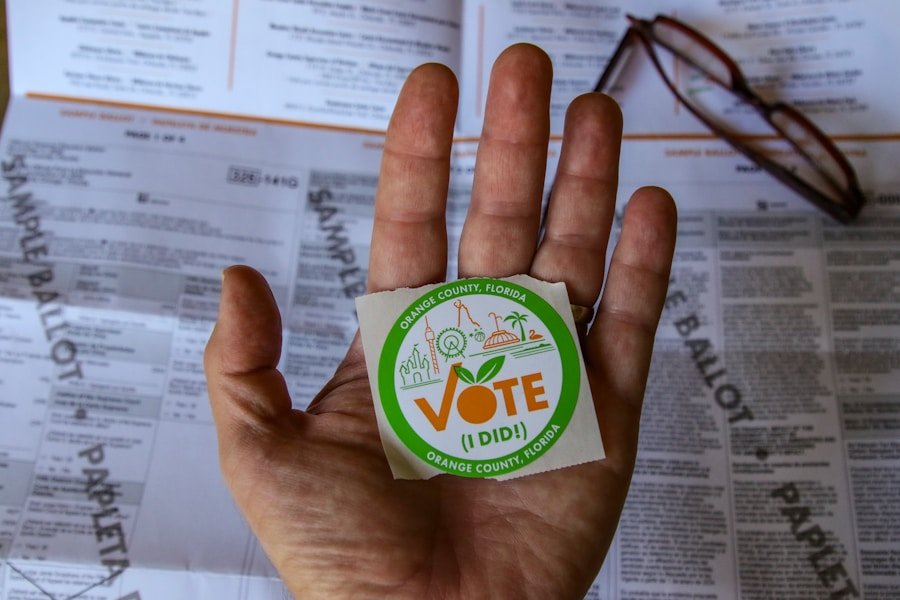

Blockchain-based voting systems have been gaining attention as a potential solution to many of the challenges facing traditional voting processes. By leveraging the power of blockchain technology, these systems aim to provide a secure, transparent, and efficient way for citizens to cast their votes in elections. Unlike traditional voting systems, which rely on centralized authorities to manage and verify the voting process, blockchain-based voting systems use a decentralized network of computers to record and validate each vote. This not only reduces the risk of tampering and fraud but also enhances the overall integrity and trustworthiness of the electoral process. As the world becomes increasingly digital, the potential for blockchain-based voting systems to revolutionize the way we participate in democracy is becoming more apparent.
The Potential Impact on Voter Turnout and Participation
One of the most significant potential impacts of blockchain-based voting systems is their ability to increase voter turnout and participation. Traditional voting processes often present barriers to participation, such as long lines at polling stations, limited access for individuals with disabilities, and difficulties for those living abroad. By enabling citizens to cast their votes securely and conveniently from their own devices, blockchain-based voting systems have the potential to overcome many of these barriers and make the voting process more accessible to a wider range of people. Additionally, the transparency and security provided by blockchain technology may help to build trust in the electoral process, encouraging more people to participate in elections. As a result, blockchain-based voting systems have the potential to not only increase voter turnout but also to make the democratic process more inclusive and representative of the population as a whole.
Enhancing Transparency and Trust in the Electoral Process
Transparency and trust are essential components of any democratic electoral process. However, traditional voting systems often struggle to provide these qualities due to concerns about tampering, fraud, and manipulation. Blockchain-based voting systems offer a potential solution to these challenges by providing a transparent and immutable record of each vote cast. Because blockchain technology relies on a decentralized network of computers to validate and record transactions, it is extremely difficult for any single entity to manipulate or alter the data. This means that citizens can have greater confidence in the integrity of the electoral process, knowing that their votes are being accurately recorded and counted. By enhancing transparency and trust in the electoral process, blockchain-based voting systems have the potential to strengthen the foundations of democracy and ensure that elections truly reflect the will of the people.
Addressing Security Concerns and Safeguarding Against Fraud
Security concerns and the risk of fraud are significant challenges facing traditional voting systems. From tampering with paper ballots to hacking electronic voting machines, there are numerous vulnerabilities that can compromise the integrity of elections. Blockchain-based voting systems offer a potential solution to these security concerns by leveraging the inherent security features of blockchain technology. Because each vote is recorded as a unique transaction on a decentralized network, it is extremely difficult for any single entity to alter or manipulate the data without detection. Additionally, the use of cryptographic techniques ensures that each vote is securely encrypted and authenticated, further safeguarding against fraud. By addressing these security concerns, blockchain-based voting systems have the potential to provide a more secure and trustworthy way for citizens to participate in elections.
The Role of Blockchain in Ensuring the Integrity of Election Results
The integrity of election results is crucial to maintaining public trust in the democratic process. However, traditional voting systems often struggle to provide a reliable and tamper-proof record of election outcomes. Blockchain-based voting systems have the potential to address this challenge by providing an immutable and transparent record of each vote cast. Because blockchain technology relies on a decentralized network of computers to validate and record transactions, it is extremely difficult for any single entity to manipulate or alter the data without detection. This means that citizens can have greater confidence in the accuracy and integrity of election results, knowing that they are based on a secure and transparent record of votes. By ensuring the integrity of election results, blockchain-based voting systems have the potential to strengthen public trust in the democratic process and ensure that election outcomes accurately reflect the will of the people.
Overcoming Barriers to Access and Inclusivity in Voting
Traditional voting processes often present barriers to access and inclusivity, particularly for marginalized or underrepresented groups. From long lines at polling stations to limited access for individuals with disabilities, there are numerous challenges that can prevent people from participating in elections. Blockchain-based voting systems have the potential to overcome many of these barriers by providing a secure and convenient way for citizens to cast their votes from their own devices. This not only makes the voting process more accessible to a wider range of people but also ensures that individuals with disabilities or those living abroad can participate in elections without facing unnecessary obstacles. By overcoming these barriers to access and inclusivity, blockchain-based voting systems have the potential to make the democratic process more representative of the population as a whole.
The Future of Democracy: Opportunities and Challenges with Blockchain-Based Voting Systems
The future of democracy holds both opportunities and challenges with the adoption of blockchain-based voting systems. On one hand, these systems have the potential to increase voter turnout, enhance transparency and trust in the electoral process, address security concerns, safeguard against fraud, ensure the integrity of election results, and overcome barriers to access and inclusivity in voting. However, there are also challenges that must be addressed, such as ensuring that all citizens have access to the technology required to participate in blockchain-based voting systems, protecting against potential cyber threats, and addressing concerns about privacy and data security. As we look towards the future, it is essential that we carefully consider both the opportunities and challenges associated with blockchain-based voting systems in order to ensure that they can fulfill their potential as a transformative force for democracy. By doing so, we can work towards creating a more inclusive, secure, and trustworthy electoral process that truly reflects the will of the people.